
Summer Semester in Germany: Your Complete Guide for April 2027 Intake

Contents
Missed the October intake to study in Germany? The summer semester (Sommersemester) is your second chance, and it comes with real advantages.
Most international students target the winter intake. But the summer semester often works better for your timeline. It means less competition, an easier housing search, and a smoother start to German student life. Whether you are a first-time applicant or you had to defer a winter admission, here is everything you need to know to apply for the next summer intake.
In short: The summer semester runs from April to September and starts on April 1. You apply between November and mid-January, with many deadlines on January 15. It has fewer programs than winter, but less competition and easier housing. It suits Master's applicants and anyone who missed a winter deadline. Track every step for free with the StudyBuddy Journey Checklist.
What Is the Summer Semester in Germany?
The summer semester (Sommersemester) is Germany's second major intake for international students. It runs from April to September. Classes usually start in mid-April, and exams wrap up by late July or early August.
Unlike the winter semester that begins in October, the summer intake is smaller and more focused. Think of it as the alternative route that gives you more breathing room through the application process.
When does the summer semester start in Germany? The official semester starts on April 1, and classes begin in mid-April. Most universities schedule orientation weeks in early April to help you settle in before lectures.

Interested in studying in Germany?
Use the Expatrio StudyBuddy
-
Friendly guide to assist your entire journey
-
Interactive step-by-step checklist with useful tips
-
Get advanced recommendations to find your perfect study program

Why Consider Summer Intake in Germany?
Less Competition, Better Odds
Fewer students apply for the summer semester than for winter. So your application stands out more, and you compete with a smaller pool for the same spots. Top universities like TU Munich, RWTH Aachen, and the University of Stuttgart all offer summer programs. Check each program's admission requirements before you apply.
Find Housing Without the Stress
Anyone who has searched for student housing in Germany knows it is competitive. During the summer intake, you are not battling thousands of other students for the same shared flat. Many students graduate at the end of the winter semester in March, so more rooms open up right when you need them.
Graduate Faster
Starting in April means you can finish your degree earlier than winter-intake students. If you are eager to enter the job market or have a set career timeline, those extra months matter.
Better Weather for Settling In
Arriving in spring is easier than arriving in the middle of winter. You get warmer weather to explore your new city, meet people, and settle in without the cold, dark days.
Internship Opportunities
Summer in Germany is peak season for internships and working-student roles. Companies actively recruit in this period, which gives you an early advantage if you want practical experience alongside your studies.
The Growing Demand for Summer Semester Programs
Germany keeps attracting record numbers of international students. In the 2024/25 winter semester, over 402,000 international students were enrolled at German universities. That is a rise of almost 6% on the year before.
First-year numbers hit a record too. Around 116,600 international students began their first semester in Germany. Summer programs are a growing share of this, as more students discover the spring start, especially for Master's degrees.
Where most students come from: India now leads by a wide margin with just under 59,000 students, up 20% in a year. China, Turkey, Austria, and Iran follow. If you are from any of these countries, you are joining a large, well-established community.
There is also plenty of choice in English. In 2025, German universities offered around 2,400 English-language programs, including about 1,930 Master's and 420 Bachelor's. Many of these accept summer applicants. You can filter for them in the StudyBuddy Program Finder.

Free Webinar
How to Study Abroad
October 13th, 2026

-
Step-by-step guide to applying
-
Exclusive access to online community of students
Perfect for Students Who Had to Defer Their Winter Admission
Here is a reality many students face. You got your winter admission, but visa delays, missing documents, or personal reasons meant you could not go. Now what?
The summer semester is your second chance, and you are not alone in this.
Common reasons summer intake becomes the answer:
Visa processing delays. Visa appointments and processing can take weeks, and slots at German embassies in high-demand countries like India, Morocco, and Pakistan can be booked out months ahead. If your visa did not come through in time for October, the summer semester gives you a fresh start without losing a full year. Read our guide to the challenges of securing a German student visa to plan ahead.
Late admission decisions. Some universities release decisions late in the cycle. If your acceptance arrived in late August or September, the timeline for visa processing, Blocked Account setup, and travel may have been impossible to meet.
Universities understand these challenges. Most let you defer your admission to the next available intake, which is the summer semester.
How Deferral Works
If you already have a winter admission letter but could not attend, contact your university's international office right away. Most universities allow a one-time deferral to the next semester, though policies vary:
- Some universities automatically hold your admission for one year.
- Others require you to formally request a deferral within a set timeframe.
- A few may ask for updated documents, such as a new language certificate if yours expired.
Important: Do not let your admission letter expire without contacting the university. Reach out early, explain your situation, and ask about deferral options. Most international offices handle these cases often and want to help you succeed.
Financial Considerations for Deferred Students
If you opened a Blocked Account for winter but did not use it, the funds stay accessible. You can usually keep the account active for your summer start. Check with your provider that your documents are still valid and update any paperwork.
The summer semester is a practical fix for students who faced setbacks. Instead of waiting a full year for the next winter intake, you can start within three to four months.
Summer Semester vs Winter Semester: The Difference
Both intakes lead to the same degree. The main differences are how many programs are open and when you apply. Here is a quick side-by-side.
Summer Semester
- Semester start: April 1 (classes mid-April)
- When you apply: November to mid-January
- Programs available: Fewer, mostly Master's
- Competition: Lower
- Class sizes: Smaller cohorts
- Housing search: Easier (rooms free up in March)
Winter Semester
- Semester start: October 1 (classes mid-October)
- When you apply: May to July
- Programs available: Most programs, including Bachelor's
- Competition: Higher
- Class sizes: Larger cohorts
- Housing search: Harder (peak demand)
At public universities, roughly 20% of programs are open for the summer intake. Private universities are more flexible, with up to half of their programs available. Master's, specialized, and research degrees are the most common summer options.
Germany Summer Intake Deadline: When to Apply
The summer intake opens each year in autumn and closes in the new year. Most German universities follow a similar timeline for the April start:
Your Summer Intake Timeline, Step by Step
November to December: Portals open
Application portals open. Start gathering documents and shortlisting programs.
January 15: Common deadline
The most common deadline for most programs. This varies by university, so always confirm.
February to March: Decisions
Admission decisions are released. Start your Blocked Account and visa steps now.
April 1: Semester starts
The official semester begins. Attend orientation and register at your university.
Important: Always check your specific university's deadline. Some programs close as early as December 15, while others accept applications until late January. Programs that use uni-assist often have earlier deadlines, so start early.
30+ Universities Offering Summer Semester Intake
Not all German universities offer summer admissions, but many top institutions do. This is especially true for Master's programs in engineering, business, and natural sciences. Winter remains the primary intake with the widest choice, but these universities are strong options for an April start.
Below is a list of respected German universities that typically accept summer applications. Program availability varies by field, so always confirm on the university's official website for your specific program.
- Technical University of Munich (TUM)
- Ludwig Maximilian University (LMU Munich)
- Munich University of Applied Sciences
- Munich Business School
- Free University of Berlin (Freie Universitat)
- Humboldt University of Berlin
- Technical University of Berlin (TU Berlin)
- HTW Berlin (University of Applied Sciences)
- Berlin School of Business and Innovation
- RWTH Aachen University
- University of Stuttgart
- Stuttgart University of Applied Sciences (HFT)
- Heidelberg University (Ruprecht-Karls-Universitat)
- SRH University Heidelberg
- Karlsruhe Institute of Technology (KIT)
- Karlsruhe University of Applied Sciences
- University of Hamburg
- Hamburg University of Technology (TUHH)
- University of Cologne
- Technical University of Darmstadt
- University of Mannheim
- Goethe University Frankfurt
- Frankfurt University of Applied Sciences
- Technical University of Dresden (TU Dresden)
- University of Bonn
- Leibniz University Hannover
- Friedrich-Alexander-University Erlangen-Nuremberg (FAU)
- University of Duisburg-Essen
- University of Bremen
- TU Dortmund University
Want to see which of these have your program open for summer? Filter by semester start in the StudyBuddy Program Finder instead of checking each site by hand.
How to Apply for Summer Semester in Germany: Step by Step
Here is a realistic timeline for applying to the next summer intake. Dates below are relative to the April start:
Around August to October: Research and preparation
- Shortlist five to eight universities and programs. You can save them to your Wishlist in the StudyBuddy Program Finder.
- Check each program's admission requirements.
- Start preparing your documents.
- Take language tests if needed.
Around November: Begin applications
- Application portals open.
- Submit applications through uni-assist if required.
- Prepare your letter of motivation.
- Request recommendation letters.
Around December to mid-January: Complete applications
- Submit all applications before their deadlines.
- Follow up on any missing documents.
- Start preparing for possible interviews.
Around January to February: Financial preparation
- Open your Blocked Account and set aside the required funds.
- Gather financial documents for your visa.
- Research your Health Insurance options.
Around February to March: Visa application
- Receive your admission letters.
- Apply for your student visa and allow several weeks for processing.
- Book your accommodation.
April: Arrival
- Attend orientation week.
- Complete your university registration.
- Get your residence permit.
Important: For your student visa, you must prove you can cover your living costs. As of 2026, that is a Blocked Account of 11,904 euros, or 992 euros per month for a year. Open it early, since delays here can push back your visa.
Meet StudyBuddy: Your Personal Assistant for Germany
Here is the reality of a summer application. You need to find the right program, track deadlines between November and January, prepare documents, open a Blocked Account, and learn an unfamiliar system. Miss one step, and your whole timeline can slip.
This is exactly why StudyBuddy exists.
What is StudyBuddy? StudyBuddy is your personal assistant for the journey to Germany. It is a free platform that simplifies every step, from choosing the right program to making sure you do not miss a single deadline.
Here is what you get with StudyBuddy:
Access to 13,000+ study programs. Browse the Program Finder with over 13,000 programs in Germany. Filter by subject, university, semester start (summer or winter), and language. Find programs you did not know existed.
A personal Journey Checklist that saves your progress. Start your own Checklist with every task laid out, from "take language test" to "book visa appointment." Check off items as you go, and StudyBuddy saves your progress so you can pick up where you left off.
Live webinars and Q&A sessions. Join StudyBuddy Webinars to learn more about studying in Germany and get your questions answered in real time.
Why Summer Intake Students Love StudyBuddy
Tight timeline management. With only about eight weeks between November and January to handle everything, the StudyBuddy Journey Checklist keeps you on track. No more sticky notes or scattered reminders.
Smart program discovery. Many students do not realize their program is open for summer. The StudyBuddy Program Finder surfaces options you might miss when searching university sites one by one.
Zero cost. StudyBuddy is completely free. Get organized, discover programs, and track your progress without spending a cent.
For a summer application, your timeline is compressed. You need to research and shortlist programs, submit applications, prepare financial documents, and apply for your visa, all in a few months. StudyBuddy keeps it in one place, with a clear path from "researching programs" to "booking your flight to Germany."
Common Mistakes to Avoid
- Missing deadlines. Universities do not extend deadlines for individual applicants. Mark every deadline and set reminders two weeks before.
- Incomplete applications. One missing document can delay or invalidate your application. Use a checklist for each university and verify everything before you submit.
- Underestimating visa processing time. German visa processing can take several weeks, and longer in peak seasons. Apply as soon as you get your admission letter.
- Assuming all programs are available. Not every program has a summer intake. Confirm this before you start your application.
- Ignoring language requirements. Even for an English-taught program, some universities want basic German (A2 to B1) for daily life and admin.
- Starting financial preparation too late. Opening a Blocked Account and arranging funds takes time. Start in January, not March.
Is Summer Intake Worth It?
For most students, yes, especially if:
- You missed the winter intake deadlines.
- You are applying for a Master's program, where more options are available.
- You prefer smaller class sizes and more personal attention.
- You want to start sooner rather than wait another six months.
- You are flexible about your program choice.
If you are set on a specific Bachelor's program or need the widest possible choice, the winter intake may suit you better.
The key is to start early. Summer programs fill up quickly because they are less common, so early applications often have better chances.


Cheapest Countries to Study Abroad in 2026
Choosing to study abroad, often far from home and on your own, is one of the bravest decisions you can make. It can change your career, your income,...

Your Path to Study Abroad: A Guide for International Students
Studying abroad is a dream for millions of students. The hard part is knowing where to begin. This guide covers why it is worth it, then walks you...

dMAT Exam for Indian Students: Do You Need It? (Quick Check Tool)
The dMAT is a new test added to the APS process for some Indian students applying for a master's in Germany. It starts with the Summer Semester 2027...

Anabin Database Guide: Check If Your Degree Is Recognized in Germany
If you studied outside Germany, you may need to prove that your university degree is recognized or comparable in Germany. This matters when you apply...
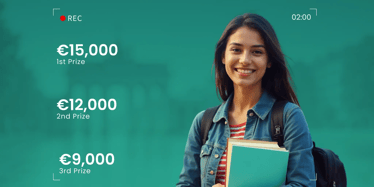
Expatrio Scholarship 2026: Win up to €15,000 to Support Your Studies in Germany
Studying abroad opens doors, not just for your own future, but for the lives you'll touch along the way. If you're planning to study in Germany in...

Fully Funded Scholarships for International Students in Germany (2026 Guide)
If you're an international student dreaming of studying in Germany, you've probably heard that German public universities are tuition-free. That's...

Summer Semester in Germany: Your Complete Guide for April 2027 Intake
Missed the October intake to study in Germany? The summer semester (Sommersemester) is your second chance, and it comes with real advantages. Most...